
Spray adhesive is one of the most useful options for bonding several parts together. It bonds items such as foam, fabric, paper, plastic, wood, and metal. However, a good spray adhesive creates a strong bond, dries at the right speed, and performs well in harsh conditions. Have you ever wondered how manufacturers ensure all these qualities? The answer lies in SGS testing for spray adhesives. SGS laboratories test the properties of an adhesive to see how it performs against specific requirements. If you are new to this term, it may feel technical. But worry not! In this guide, I will discuss what SGS testing is, how to perform it, and what tests it includes. So let’s get started.
Что такое испытания SGS для клеевых спреев и почему они важны?
Испытания SGS для клеев-спреев предполагают лабораторную проверку клея-спрея с целью оценки его эффективности. Эти испытания помогают производителям определить, соответствуют ли их продукты конкретным требованиям. В ходе испытаний SGS анализируются различные факторы, такие как прочность сцепления, время высыхания, химический состав, содержание летучих органических соединений (ЛОС) и безопасность.
Помните, что в SGS не существует единого испытания, которое должны пройти все типы клеев-спреев. Ряд испытаний подбирается и проводится с учетом типа клея и его предполагаемого назначения. Важную роль играет также страна назначения. На разных рынках действуют разные правила в отношении химических веществ, безопасности, маркировки и выбросов. Для поставщики клея-спрея, Испытания SGS имеют огромное значение. Они дают компаниям четкое представление о том, как их клей-спрей будет вести себя в реальных условиях эксплуатации.
For example, an adhesive might stick well at normal room temperature. However, when you use it in heat, it might lose its strength. That’s why SGS testing helps companies reveal problems before the product reaches customers. It also helps manufacturers compare production batches and maintain consistent quality throughout.
Какие испытания входят в программу испытаний SGS для клеевых спреев?
Now you have basic know-how about what SGS testing is and why it matters. Right? As I said above, SGS is not a single test; instead, it includes several tests, each of which ensures different qualities of the spray adhesive. Let’s discuss what tests are included in SGS testing for spray adhesives.
1. Испытание на адгезию / прочность соединения
Первым основным испытанием в SGS является испытание на адгезию, в ходе которого оценивается прочность соединения двух материалов с помощью аэрозольного клея. В ходе испытания клей наносится между выбранными материалами. Затем ему дают время для схватывания в контролируемых условиях. Затем склеенные детали растягивают, отслаивают или раздвигают с помощью испытательной машины. Если для разъединения склеенных деталей требуется значительное усилие, это означает, что соединение прочное, и наоборот. После получения результатов команда испытателей сравнивает различные составы клея. Они сравнивают один состав с другим, чтобы определить, какой из них обеспечивает более прочное соединение.
2. Испытание на сцепление
Tack is basically the initial stickiness of an adhesive spray. It tells suppliers what happens just after the spray adhesive is applied and two surfaces are brought together. Unlike a bond strength test, this test is not concerned with the bond’s final strength. Instead, it looks at how quickly the adhesive will grab and hold the surface in the early stage. For example, you spray adhesive on a piece of foam and place fabric over it. If the fabric immediately holds its position, the adhesive has a good initial tack. So the tack test ensures good grabbing of the spray adhesive.
3. Время высыхания или затвердевания
When you apply the adhesive spray, it needs some time to be ready to work properly. Right? So that’s the drying or setting time, which shows how long the process takes. The drying test is all about knowing the setting time of a spray adhesive. This setting time matters a lot during actual production. Suppose the adhesive spray dries too slowly. In this case, you have to wait longer before moving your product to the next step. That will slow down the whole process. On the other hand, if it sets too quickly, you will not have enough time to make any adjustments.
4. Проверка содержания летучих органических соединений (ЛОС)
При использовании клея-спрея некоторые его компоненты испаряются в окружающий воздух. К этим веществам относятся летучие органические соединения, обычно называемые ЛОС. ЛОС — это химические вещества, которые легко переходят в газообразное состояние и смешиваются с воздухом. Эти химические вещества могут наносить вред здоровью человека. Поэтому компании должны точно знать их содержание в своих продуктах. Дело в том, что нормативные требования допускают лишь ограниченное количество этих ЛОС. В ходе испытания образец клея-спрея помещается в камеру с контролируемыми условиями. Когда он выделяет ЛОС в воздух, команда отбирает пробы газа и воздуха для анализа с целью измерения уровня ЛОС. Окончательные результаты сравниваются с конкретным пределом или требованием, применимым к данному продукту.
5. Проверка на наличие химических веществ и веществ, подлежащих ограничению
Без сомнения, клей содержит смесь химических веществ. Однако это не означает, что любое химическое вещество допустимо на любом рынке. Существуют вещества, использование которых ограничено или запрещено, поскольку они создают риски для людей или окружающей среды. Тестирование на наличие химических веществ или веществ, подпадающих под ограничения, направлено на выявление таких веществ, которые регулируются нормативными актами. Для проведения этого теста лаборатория берет образец клея-спрея. С помощью специального испытательного оборудования она определяет химические вещества, которые необходимо проверить. Сначала лаборатория выявляет, какие вещества присутствуют, а затем измеряет их количество. Результаты позволяют установить, соответствует ли клей-спрей требуемым предельным значениям содержания химических веществ.
6. Испытание на воспламеняемость
Some spray adhesives contain flammable ingredients. That’s where fire safety becomes very crucial. A flammability test checks how easily the adhesive or its vapors catch fire. It also checks how the spray adhesive will behave after ignition. So basically, the test gives manufacturers an idea of fire risk during use, storage, and handling of spray adhesives. The test is performed under controlled conditions. The results ensure that the spray adhesive is safe to use and meets fire safety standards.
7. Испытание на термостойкость
A spray adhesive sometimes works perfectly at normal room temperature. However, it might become weak when the surroundings get hot. That’s why heat-resistance tests вступать в действие. Они позволяют убедиться, сохранит ли клей свою адгезию при воздействии повышенных температур. Для проведения испытания сначала с помощью клея соединяют материалы. Затем склеенный образец помещают в термокамеру. Нагрев начинает действовать на клей, в результате чего он в конечном итоге плавится или размягчается. После этого в лаборатории проводят исследование соединения и проверяют, не произошли ли изменения в его прочности или физическом состоянии.
8. Испытания в условиях низких температур
Не только высокая температура, но и низкая температура могут снизить прочность клея-спрея. Это может быть становятся менее гибкими, ломкими и начинают растрескиваться при размещении в условиях низких температур. That’s why manufacturers use cold testing to ensure their spray adhesive will perform well in the cold. For the test, the adhesive is applied to the materials it is meant to bond. Then, the sample is allowed to form its bond. It is then placed in a controlled cold environment for a certain time. After that, the sample is checked either while it is still cold or after it has returned to normal temperature. They check for signs of cracking, which являются доказательством того, что спрей не предназначен для использования при низких температурах.
9. Испытания на влагостойкость и водостойкость
Влага и высокая влажность — это самое страшное для клеев-спреев. Они создать заявки по клеевое соединение, особенно если готовое изделие помещается во влажную место. So laboratories use humidity and water resistance testing to check how well the adhesive will work under wet conditions. For the test, a bonded sample is kept in a high-humidity chamber. The laboratory then checks what happened to the bond’s strength. Did it stay firm? Did the adhesive soften? Если да, это означает, что существует необходимость в улучшение в его формуле.
10. Проверка на наличие запаха
A spray adhesive has a noticeable smell due to the solvents and other ingredients in его formulation. This smell can be very disturbing, especially when the adhesive is used in an enclosed space. So, odor testing determines the smell produced by the adhesive. It helps to know whether the odor stays within the level expected for its intended use. This test is carried out in laboratories using special instruments. These machines test the specific odor and consider factors such as the smell’s strength and how noticeable it is after use.
What is the SGS Testing Process for Spray Adhesives: Step-by-Step Guide
SGS testing for spray adhesive sounds like a complicated process when you во-первых услышать об этом. However, its basics are quite easy to understand. Before any testing starts, the manufacturer просто needs to follow these simple steps.
Step 1: Define the Spray Adhesive
The very first step is to clearly explain what the spray adhesive actually is and its formula. The manufacturer provides basic product information, such as the adhesive type and its use. This information is useful for laboratories. Why? Because a аэрозольный клей для ткани will have different testing needs than one made for automotive parts.
Step 2: Identify the Required Standards
Once the spray adhesive is defined, the next question is what requirements it needs to meet. Remember, есть no single set of tests что fits every type of spray adhesive. The requirements change with the adhesive’s purpose, the country where it will be sold, and industry rules. So at this stage, the company identifies the relevant standards, regulations, or buyer requirements. For example, one customer mainly cares about bond strength. At the same time, other customers demand chemical, VOC, or flammability testing. So, manufacturers determine the required standards based on this priority level.
Step 3: Prepare the Adhesive Spray Sample
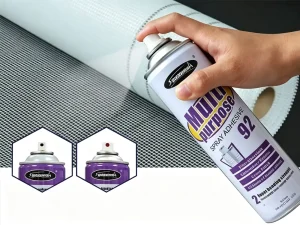
After the testing requirements are clear, the manufacturer has to provide the right samples. These samples should represent the same product that will actually be sold or used, not an old one. However, the number and type of samples will depend on the tests being performed. For an aerosol spray adhesive, the laboratory will need the complete product in its normal container. With the samples, they must also provide data on the batch, specifications, and relevant documents.
Step 4: Laboratory Testing
Now the actual testing begins. The laboratory prepares and tests the samples according to the selected test methods. Depending on the testing plan, these tests can include bond strength, tack, drying time, VOCs, heat resistance, cold resistance, moisture, and so on. The laboratory uses controlled test conditions. After that, it takes measurements to produce results that will be compared with the required specifications.
Step 5: Record the Test Results & Report
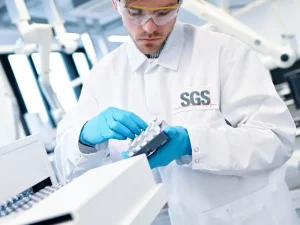
Now it comes to the last step, where the laboratory records the findings and prepares a test report. The report typically identifies the product or sample tested, the test methods used, and the results obtained. But this report gives manufacturers more useful information than a statement such as “the adhesive passed.” It provides test information that can be reviewed against the specific requirements. Suppliers use the results for quality control, product development, and customer communication.
Краткое изложение: If a result does not meet the required level, that does not mean the whole product is useless. It shows that a particular part of the formulation or spray adhesive design needs attention. The manufacturer then investigates the problem, makes changes, and conducts testing as needed.
SGS Testing vs. SGS Certification: Are They the Same Thing?
No! SGS testing and certification are not the same thing. Testing means a product is checked using certain methods to find out how it performs. It ensures that spray adhesive meets specific requirements. For a spray adhesive, this means checking bond strength, VOC content, flammability, drying time, and more. The laboratory then gives the test results based on the sample that was tested. On the flip side, certification is a broader process.
It means a product, process, or system has been formally assessed against defined requirements. It means the spray adhesive has received certification when the required conditions are met. In other words, a test report mainly tells you what was found during testing. However, certification provides formal recognition under a particular certification scheme. So, having an SGS test report does not automatically mean that a spray adhesive is “SGS certified.”
Заключение
SGS testing is one of the most effective ways to check the reliability of spray adhesive. It includes a series of tests such as bond adhesion, odor, low- and high-temperature testing, and more. This testing helps manufacturers know these important points before the spray reaches the market. But the most important thing is not to test every possible property just because a test is available. The better approach is to identify how the adhesive will be used, where it will be sold, and what conditions it will face. From there, you can approach the right testing program. That also makes the results more useful and helps manufacturers avoid problems later.