
Fabric glue is a quick and easy way to join fabric without sewing. It is useful for making clothes, repairing small tears, and decorating fabrics. But what if you do not have fabric glue, or the glue is not strong enough for the job? That’s where fabric glue alternatives come into play. Knowing these alternatives is crucial because every fabric project has different needs. They become handy when you cannot use fabric glue. Don’t know about those alternatives? Worry not! In this detailed guide, I will discuss some of the most common fabric glue alternatives and how and where they work. So let’s get started.
Why Look for an Alternative to Fabric Glue?
There is no doubt that fabric glue is very useful. However, it does not work for every type of fabric project. Some fabrics require a stronger bond. At the same time, some fabrics need something that stretches and moves with the fabric. Similarly, clothes are washed, pulled, folded, and stretched many times. If the glue is not suitable for this kind of use, the fabric will start to come apart over time.
In all these cases, you have to find an alternative to fabric glue. Secondly, some fabric glue leaves marks and stiffens the fabric, which users don’t want. So they have to go for an alternative like sewing. Lastly, sometimes the main problem is convenience. You may run out of fabric glue or not have it available when you need to repair something. In that situation, having other options gives you more freedom to choose what works best.
Some Common Fabric Glue Alternatives
Fabric glue is only one way to join fabric. There are several ways to join or repair fabric. So, what can you use instead of fabric glue? Fortunately, you have several options. To make this easier for you, I will discuss the alternatives you can choose based on your needs.
1- Sewing
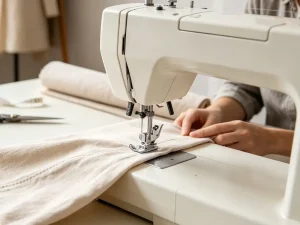
Sewing is one of the most reliable alternatives to fabric glue. Instead of using an adhesive, you use a needle and thread to join two pieces of fabric. You can sew by hand or use a sewing machine, which totally depends on your skill level and comfort. The best thing about this alternative is that it provides strength.
Stitches hold fabric together even when it is pulled, folded, or washed many times. You can use this method for clothes, bags, curtains, and other fabric items that are used regularly. However, remember that sewing takes much more time than fabric glue. You also need a needle, thread, and sometimes a sewing machine. If you are new to sewing, making neat and even stitches will take some practice.
2- Fusible Web
Fusible web is a thin material that joins two pieces of fabric when heat is applied. It has adhesive on it, so you just need to place it between the fabrics and use an iron to activate it. Once it melts and cools, it holds the two fabric pieces together. Fusible web is a good choice when you don’t want visible stitches on the fabric.
It is used to make hems, attach patches, and add fabric designs. It is also easy to use because you do not have to apply liquid glue or wait for it to dry. However, use this alternative only if you know the fabric type, as it doesn’t work for all fabrics, including delicate ones.
3- Fabric Tape
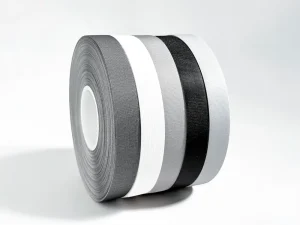
Are you looking for a quick way to hold fabric together without picking up a needle? Fabric tape is a much more useful alternative. It is a thin adhesive strip that sticks fabric to fabric and is best for finished work. You need to place the tape where you need it, press the fabric over it, and let it bond. Some types of fabric tape are activated with an iron.
However, some fabric types need a little pressure. This option is handy for simple hems, small repairs, decorations, and craft work. For example, if the edge of a fabric item keeps coming loose, fabric tape will hold it in place without making you sew a new seam.
4- Iron-On Adhesive
Iron-on adhesive is an option when you want to attach fabric without using regular glue. You will find it in different forms, such as sheets, strips, and patches. It is very easy to use. You first place the iron-on adhesive between the fabric and apply heat with an iron. This heat activates the adhesive and helps it bond the materials.
This method is especially good for things like patches, labels, hems, and fabric decorations. It gives the finished piece a neat appearance because no stitches are visible on the surface. But heat can burn some fabrics, so use it wisely by using the right fabric.
5- Hot Glue
Hot glue is a common alternative for quick fabric crafts. The reason is that it is easy to find and simple to use. You have to apply it with a hot glue gun. It heats a solid glue stick until it becomes liquid. You then apply hot glue to the area where you want to join the fabric and press the fabric by hand. Let it dry for some time.
During this time, the glue starts to cool, becomes solid, and holds the pieces in place. For applications where the fabric does not need to move much, hot glue is a good choice. Another reason it stands out is that it sets much faster than many liquid embroidery spray adhesives. So you do not have to wait long before continuing your project.
6- Adhesive Spray
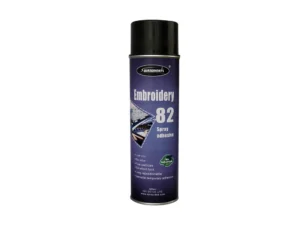
Now, it comes to adhesive sprays that you can use as an alternative for large areas. It comes in a spray can and applies a thin layer of adhesive to the surface. Once cured, this layer creates a strong bond that doesn’t peel off easily. You just need to spray it over a large area, and it will create an even layer.
This is what saves a lot of time on large fabric projects and helps create strong bonds. However, the main thing to watch out for is overspray. The spray sometimes spreads beyond the area you want to cover. So before you start, always protect nearby surfaces. Also, you must choose a fabric spray adhesive designed for the materials you are joining.
7- Double-Sided Tape
For light-duty fabric joining where you just have to hold the fabric, double-sided tape is the reliable option. As the name suggests, it has an adhesive surface on both sides. You place one side against the fabric and then press the other fabric piece onto it. There is no need for mixing, drying, or special equipment; that’s why it is very quick and simple.
This type of tape can be useful for small decorations, craft projects, and temporary fixes. Suppose you are working on a piece of fabric, and the pieces keep moving while you work. In this case, a small strip of double-sided tape will hold them where you want them. The downside of double-sided tape is that it is not strong enough for fabric that is pulled.
8- Seam Tape
Seam tape is another special type of tape used to cover and strengthen the area where two pieces of fabric are joined. This joined area is basically called a seam. Instead of putting liquid glue on the fabric, you place the seam tape over the seam. This tape gives extra protection to the seam on many fabrics. For example, a rain jacket or tent.
Water can sometimes enter through tiny gaps around the seams, even though the fabric itself does not let water through. Here, seam tape will cover these gaps and help keep water from passing through. That’s why it is used for outdoor clothing, tents, bags, and similar items.
9- Epoxy Adhesive
Now, epoxy adhesive is an alternative to fabric glue, known for forming a very strong bond. It usually comes in two parts: a resin and a hardener. When you mix these two parts, they react and slowly solidify. This strong bond is useful for attaching fabric to a hard surface, such as wood or metal.
For example, if you are making a craft project where a piece of fabric needs to stay attached to a wooden or metal part, epoxy is a good choice to provide a strong hold. It is also useful when the bonded area needs to handle more stress. But keep in mind that epoxy adhesive is not meant for fabric-to-fabric joining. The reason is that epoxy adhesive becomes rigid after hardening, whereas fabric remains soft. So it can make the bonded area rigid and harder to move.
10- Multipurpose Adhesives
Lastly, multipurpose adhesives are an alternative that works with a variety of materials. So they can be best when your project involves more than just fabric. For example, you sometimes need to attach fabric to wood, plastic, cardboard, or another material. In such cases, a suitable multipurpose adhesive makes the job easier.
You do not need a separate adhesive for every material. However, don’t confuse it with the term “multipurpose” and think that it will work for every type of fabric. Some adhesives may work well on thick materials but soak through thin fabric. That’s why, when using this type of adhesive, always check the product label to ensure it is suitable for both the fabric and the material you are joining.
How to Choose the Right Fabric Glue Alternative
When you are choosing a fabric glue alternative, know that it is not about finding something that just sticks. You must pay heed to what your project actually needs. A fabric glue alternative that works well for a small craft may not be suitable for clothing or outdoor fabric. But as a beginner, choosing the right alternative can be tricky. But don’t worry. Below, I will discuss some factors to keep in mind when choosing an alternative to fabric glue.
- Type of fabric: First, identify the type of fabric you need a fabric glue alternative for. Cotton, denim, polyester, nylon, silk, and stretchy fabrics all behave differently. So an alternative that works well on thick denim might not be suitable for a thin or delicate fabric.
- Bond Strength: Secondly, consider how much pressure the joint will experience. A small decoration does not need the same strength as a bag handle. So if you are looking for an alternative for light fabric work, tape or a simple adhesive will be enough. If the fabric will be pulled or stretched, you will need a stronger option.
- Washing Needs: If the fabric item will be washed, this should be one of your main concerns. Water, detergent, and the movement during washing weaken some adhesives and tapes. So if you need frequent washing, choose the stronger alternative.
- Fabric Movement: The movement of fabric also matters: how much the fabric will bend and stretch. Clothing, for example, moves with your body throughout the day. In this case, you should not use alternatives that become hard after curing.
- Heat Tolerance: Some fabric glue alternatives need heat to work. Fusible web and many iron-on adhesives are common examples. If you choose these alternatives, make sure your fabric can handle the heat.
Conclusion
Fabric glue is one of the most effective ways to join fabric quickly. However, that’s not the only option. Sometimes, if fabric glue is not suitable or sufficient, you can use alternatives. In this guide, I have discussed some of those alternatives and their best use cases. For example, sewing is a trusted choice when strength matters.
Fusible web and iron-on adhesives are useful when you want to avoid visible stitches. Fabric tape and double-sided tape can help with quick, simple jobs and more. Among these, the best fabric glue alternative depends on your needs. Consider the fabric type, bond strength, movement, and heat resistance before making the final decision.