Every screen printer knows how important it is to have the garments secured in place. When the pallet rotates, and the garment lifts and shifts, the experience can be extremely frustrating.
To prevent the garment from lifting and shifting, you have to choose the right pallet adhesive. Basically, there are three options: spray, liquid, and heat-activated.
With many different types of pallet adhesives available on the market, choosing the right one can be tricky. The goal of this post is to help you make an informed decision.
Read on to learn everything you need to know about screen printing pallet adhesive. Hopefully, here, you will find answers to some of your most nagging questions.

Spray Adhesive
Spray adhesives are popular as pallet adhesive because they are very convenient to use. This is the most commonly used screen printing adhesive spray in the world. Spray adhesives are packaged in aerosol cans, and you have to spray the glue onto the pallet.
Ease of Use
Spray adhesive is super easy to apply. You only have to mist the pallet lightly. Spray tack adhesive for screen printing immediately provides tack. You can instantly load your shirt and start printing.
Professionals tend to rely on adhesive spray for screen printing because it offers efficient operation and high-volume presses. The cost is also relatively low. So, this budget-friendly option appeals to hobbyists as well.
Minor Trade-offs
While screen printing spray adhesive is convenient, remember a couple of things when using it.
First, avoid overspray. During application, a fine and sticky cloud of particles fills the air. If you end up with more than needed, you will soon find the adhesive everywhere. So, be careful if you do not want to see it on floors, press components, finished garments, and even power outlets. To address this issue, ensure proper ventilation and manage the press area.
Second, spray adhesives are mostly solvent-based. As a result, they contain volatile organic compounds (VOCs). The key is to ensure that your workspace is well-ventilated. Open the doors and windows, and you won’t have to think about VOCs.
From fabric buzz or under the heat of a flash cure, the tack degrades. So, you may need to reapply more adhesive. However, the reapplication is quick, and therefore, spray adhesive is still the best choice.
Verdict for Spray Adhesive
Spray adhesive is the best screen printing glue in almost all screen printing scenarios. Whether the process is manual or automatic, this adhesive suits pretty well. Find the best spray adhesive for screen printing depending on the nature of your project.
Liquid Adhesive
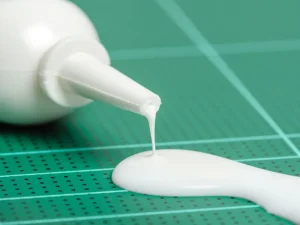
Spray adhesive is the high-speed solution, while the liquid, water-based formulation is used industrially. This solution is a non-toxic liquid that appears milky. You can use a brush, roller, or squeegee to apply the solution.
This adhesive offers precision and durability, so use it as a screen printable adhesive. However, liquid adhesive is not as popular as spray adhesive due to its slow application.
Very Efficient
Longevity is the number one advantage of using liquid pallet adhesive. In general, liquid adhesives last longer than spray adhesives (depending on the specific formulation). If you can apply it correctly, liquid screen printing adhesive can last for several hundred prints.
Liquid adhesive is also cost-effective. The long-term cost is lower, and you can do with fewer materials without experiencing significant downtime.
Water-based formulas are cleaner because, in most cases, they contain no VOCs. You do not have to worry about airborne particulates and fumes.
Once dried, the liquid adhesive offers a repeatable tack. Precise registration is crucial for multi-color jobs, and you will find liquid adhesive convenient for such projects. This adhesive is also useful for high-speed automatic presses that require consistent tack.
The Learning Curve
Using liquid screen printing pallet adhesive requires some setup time. That is the main barrier to switching to this adhesive. Also, the initial application process can feel a bit messy, so be prepared for it.
If you choose to use liquid adhesive, do not ignore maintenance. Otherwise, soon you will have to deal with a dense layer of adhesive buildup. Clean the pallets regularly.
Verdict for Liquid
If you run a high-volume production shop, liquid adhesive may be a good choice. If you choose this option, allow some downtime for curing. Once the initial setup is done, liquid adhesive can be used for very long, non-stop print runs.
Heat-Activated (Web) Adhesive
The heat-activated adhesive is the third contender. It is a specialty option built for technical fabrics and maximum cleanliness.
Clean Solution, Ultimate Durability
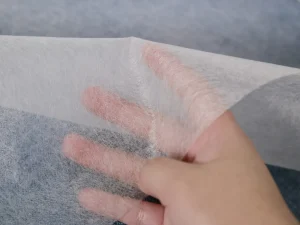
Web adhesive is dry and looks like a thin mesh. This zero-mess solution sticks to the pallet surface. If you choose this option, you do not have to deal with liquid residue, airborne fumes, and overspray.
You have to activate the tack by applying heat. There are two powerful benefits of using web adhesive for screen printing.
First, durability. This dry film creates a strong bond. It is great for heavy and challenging fabrics like hoodies, thick fleece, and nylon jackets. It is also used as a silk screen frame adhesive.
The second benefit is its long lifespan. Just a quick blast of heat can rejuvenate this tack because it is heat-activated. Silk screen adhesive glue offers a pretty long life between cleanings. It involves no spray, only heat.
As a result, the production environment is clean. Your print area does not get contaminated by any sticky residue. Use web spray adhesive for screen printing if you have already scaled your operations.
High Barrier to Entry
In terms of price and commitment, web adhesive has a pretty high barrier to entry. If you choose this option, be prepared for a high initial investment. This adhesive is available in rolls. Also, to maintain the tack, you need specialized heating equipment for your press.
With web adhesive, repositioning a garment is tricky because the grip is too intense. The fabric is locked down once it contacts the heated pallet.
Verdict for Web Adhesive
For specialty printers, web adhesive is indispensable. When working with tricky synthetic materials, heavy fleece, and nylon, use this spray tack for screen printing. If your operations require prioritizing cleanliness and maximum grip, this adhesive can be a high-performance option.
Head-to-Head Comparison: Which One Is the Right Choice for You?
In the table below, we will compare the metrics that will help you decide which screen printing pallet adhesive to choose for your shop.
Strength and Durability
| Type of Adhesive | Strength and Durability | Best for |
| Spray | Immediate tack, instant readiness | All-around production |
| Web | Strong grip, rejuvenated by heat | Heavy fleech, thick materials, nylon |
| Liquid | Stable tack, great for repeatability | Polyester/ cotton blends |
Here, the focus is on trade-offs. When it comes to speed and instant results, spray adhesive is the clear choice. For fabrics that fight back, the web is ideal. And for repetitive and high volumes, liquid is the best.
Production Speed and Application
Speed is all about reducing downtime to a minimum. Here is how these three options compare:
- Spray: Best for the quickest application and reapplication. If you want to minimize your overall downtime and maximize output, spray adhesive may be the best option.
- Liquid: Using liquid adhesive involves a slow initial setup and requires minimal maintenance.
- Web: The initial setup is slow and meticulous because you have to apply the film. But it can be easily reactivated by heat, and offers long life between cleanings.
Short-Term vs. Long-Term Cost
You are likely to miss the expense if you only talk about a single can or gallon. If you focus on the initial cost, spray adhesive is the affordable option. Then comes liquid (medium), and web (the highest cost).
And for per print cost, liquid is the least expensive. Web adhesive is also pretty cheap. Spray adhesive is also manageable, because the price is offset by speed.
Conclusion: The Final Verdict
When choosing screen printing pallet adhesive, there is no clear winner. You have to choose one depending on the job at hand.
If you run a production shop and your clients demand fast turnaround, spray adhesive is the best option. It is the best option for almost all professionals.
If you are screen printing thousands of shirts per day, consider investing in liquid or web adhesive.
However, until you have scaled your operations to that extent, sticking to spray adhesive makes sense. It will definitely optimize your workflow.