
Choosing the right HVAC spray adhesives for duct insulation may sound straightforward. But in a real HVAC project, the adhesive can determine the success or failure.
If insulation does not bond well, it can peel or sag away from the surface. This can cause issues like energy loss, noise problems, and poor system performance.
Whether you install HVAC systems regularly or occasionally, choosing the right duct insulation glue is crucial. The right adhesive can significantly save time and improve safety.
This guide explains everything you need to know about choosing the right adhesive for your duct insulation project.
In this article, I will use simple language and focus on what actually can help you on the job site.

HVAC Spray Adhesive Matters More Than You Think
When heated or cooled air moves through an HVAC system, duct insulation helps keep the air at the right temperature. It also controls moisture and reduces noise. But insulation can provide these benefits only if it stays firmly attached to the duct system.
A weak duct adhesive can cause real issues. The problems may not happen instantly. Over time, however, the bond will weaken due to heat, vibration, and daily system use. Between the insulation and the metal duct, small gaps form. Air escapes through these gaps, making the system less efficient.
Loose insulation can cause condensation in warm areas. Moisture can slowly damage your materials and lower the quality of indoor air. Heat loss is a serious issue in cold areas. The HVAC system works harder than necessary, resulting in higher energy costs.
You can prevent all these issues by just using a high-quality HVAC spray adhesive. It creates a strong bond across the duct surface. This keeps insulation in place and supports the long-term performance of the system.
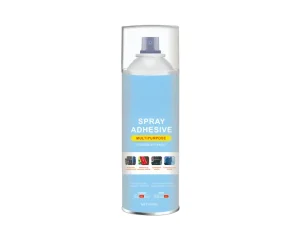
What Is the HVAC Spray Adhesive
HVAC spray adhesive is a type of glue that comes in an aerosol can or spray system. It is formulated to bond insulation materials to HVAC ductwork, especially steel, aluminum, or other metal surfaces.
One advantage of spray adhesive over brush-on glue is that the former spreads evenly. As a result, you can easily cover large duct sections. Many professionals prefer a reliable stick aerosol because it provides a uniform coating that prevents the insulation from sagging during the curing process.
Be careful when choosing an HVAC spray adhesive for your duct insulation project. The adhesive should grab first and hold strong. It should also be flexible enough to handle temperature changes.
Problems Caused by the Wrong Duct Insulation Glue
Using the wrong duct insulation glue is a common mistake. Not all adhesives are formulated for HVAC projects. Some adhesives work initially but fail later.
“In many cases, it is during the installation that insulation starts sliding. Using the wrong product instead of a reliable quick stick glue is frustrating. It slows down the project. In some cases, it looks good at first, but it weakens after a few weeks or months. Moisture and heat issues can lead to this problem.
The efficiency of a spray adhesive largely depends on the way you apply it. Some products clog easily and may be hard to spray evenly. Some areas bond weakly, and that reduces the durability of the insulation.
You can avoid all these issues by choosing the right spray adhesive.
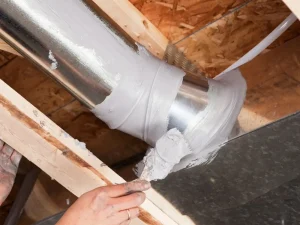
What to Look for When Choosing HVAC Spray Adhesive
Not all spray adhesives are the same. When buying HVAC spray adhesive for duct insulation, carefully read the features. Here are a few general features to help you choose the right product:
Compatible with Metal Ducts
HVAC ducts are usually made from metal. That is why you have to choose a spray adhesive for metal that bonds well to these surfaces. Adhesives specifically formulated for HVAC projects bond well to metal surfaces and are safe for insulation materials. This balance determines the adhesive’s long-term performance.
Safe for Insulation Materials
There are various types of insulation materials. Fiberglass, foam boards, and rubber insulation do not react uniformly to adhesives.
A good duct adhesive should not shrink, melt, or damage the insulation in any way. Always ensure that the adhesive is approved for the insulation you will use it with.
Fast Grab and Strong Hold
Installing HVAC insulation is a time-sensitive task. That is why you need a quick-stick glue that bonds quickly. The bond will keep the insulation in place while you work. If the glue sticks fast, it will not slip, so you will not have to reposition.
Ability to Withstand Heat and Moisture
In an HVAC system, temperature changes constantly. Moisture or condensation can also be an issue. A good duct insulation glue stays strong under such conditions and therefore lasts longer.
Ease of Application and Cleaning
Spray adhesives are marketed in aerosol cans and should be easy to spray. You can spray it smoothly and evenly. But the reality is that all canisters are not the same. When choosing a product, make sure that the can allows you to deliver a consistent spray.
Recommended Spray Adhesives for Duct Insulation
There are many spray adhesives on the market. The following two options stand out for HVAC duct insulation because they have all the qualities we discussed.
The first is Sprayidea 33, an industrial foam spray adhesive widely used with thermal insulation and HVAC applications. It bonds well to a wide range of materials, including rubber, foil, extruded board, rock wood, and foam. It offers a strong initial tack and has low odor.
The second one is Sprayidea 32. This spray glue is particularly compatible with insulation foam boards. If you are working with foam boards or closed-cell insulation, you can rely on this spray glue. It delivers versatile adhesion, great flexibility, and low impact on the insulation material. You can apply it to both sides of the foam board panels.
Using a high-quality stick aerosol ensures that the nozzle does not clog halfway through the job, saving you both time and material.
Why Spray Adhesives Are a Smart Choice for Duct Insulation
In many HVAC projects, spray adhesives are a preferred choice. One of the reasons for its popularity is coverage. You can cover large areas quickly and evenly. Thus, you can avoid weak spots, and there is no insulation failure later.
With spray adhesives, you do not have to use brushes or rulers. It makes the application process fast. You can apply the glue and prepare both surfaces literally in seconds.
A controlled amount of adhesive is delivered with each spray. It improves consistency. You can ensure that the bond quality is the same across the entire system.
Professionals rely on spray-based HVAC duct adhesive products mainly for these advantages.
After you have sprayed the adhesive, how fast it grabs the surface depends on the formulation.
This feature is crucial in duct insulation work. Insulation must stay in place, especially in overhead or vertical ducts. If the adhesive is too slow to stick, the insulation can sag or even fall.
How the Right Duct Adhesive Improves System Performance
The duct insulation adhesive you use has a direct impact on the long-term performance of your HVAC system. When the insulation stays in place, there are no leaks and less pressure loss. That means your system does not have to work harder than necessary.
If the insulation is stable, the temperatures remain consistent. The system provides more comfort by heating and cooling the rooms more evenly. The HVAC unit needs to cycle less often. And that reduces wear and tear.
Secure installation also means fewer repairs. That is because you do not have to reattach or replace the insulation. Over time, all these small benefits add up.
How to Apply HVAC Spray Adhesive the Right Way
You may use the best spray adhesive. But it will not work as expected unless you apply it correctly. That’s why preparation is vital.
First, clean the duct surface by removing dust, oil, and any moisture. Before you spray, shake the can well. Read the instructions carefully. Make sure you apply the adhesive to the duct and insulation smoothly and evenly.
And before you press the surfaces together, wait for the right tack time. The tack time varies by product. So, check the user manual. Apply firm pressure to activate the bond.
Safety and Environmental Tips
Manufacturers have a responsibility to make environmentally friendly products. Users should also use the products responsibly.
Spray adhesives should be used with care. To reduce your exposure to fumes, work in a well-ventilated area. We also recommend wearing protective gear such as gloves and goggles.
Not all formulations are the same. Some brands, like Sprayidea, offer low-VOC formulas that significantly reduce harmful emissions.
Store adhesive cans away from heat sources and direct sunlight. Follow the local regulations regarding the disposal of empty or partially used containers.
Final Thoughts
Choosing the right adhesive for duct insulation is crucial. It directly affects the speed and efficiency of your project and the durability of the insulation.
You can avoid most problems by just choosing a spray adhesive for metal that is safe for insulation, sticks quickly, and is easy to use.
We hope you have a better understanding of HVAC spray adhesives and know what type of adhesive to use in your project.